
Howdy Readers 🥰
🎯 The 42-Cent Retention Hack
📊 Google and YouTube Both Dropped Platform Updates This Week
👨💻 Tweet of the Day
If you’re new to Buyology then a hearty welcome to you, You’ve reached the right place alongside 50k+ amazing people, Before you forget, if someone forwarded this newsletter to you, don't forget to subscribe to our newsletter so you never miss out!
Together with Insense
Your creator program is only as good as the system behind it

If your team is managing UGC in spreadsheets, tracking addresses, chasing creators over DM, and manually logging payments - you’re not running a program. You’re running a headache.
Insense is the self-serve platform built to replace that stack.
One place to receive creator matches from 80,000+ vetted profiles, brief templates, ship product via Shopify, automated contracts and payments, and own full lifetime content usage rights.
Trusted by Quince, Monster Energy, Paysend, and 3,500+ brands worldwide.
Brands using Insense save 40+ hours a month and get first creator applications within 48 hours.
Book a free strategy call by May 15 and get a $200 platform credit towards your first campaign
🎯 The 42-Cent Retention Hack
A haircare brand hits a 90-day repurchase rate of 62%.
Not subscription. Not forced auto-ship. Pure organic repurchase, where customers come back on their own and buy again. The average sits between 15% and 25%, so their number is roughly triple what a healthy brand pulls. The wild part is they aren’t running a fancy loyalty program or a 14-step post-purchase flow. They spend 42 cents per customer to do it.
Here’s the full playbook, plus three more retention plays that work on the same principle: the cheapest touchpoints almost always beat the expensive ones.
Install a usage-correction insert in every first order
The real reason customers don’t reorder isn’t price or competition, it’s that they used the product wrong and decided it didn’t work. A handwritten card with a QR code linking to a 90-second founder video walking through correct usage fixes this at the source. 73% of her first-time buyers scan it.
Film on your phone, host as an unlisted YouTube link so you can swap content later without reprinting, and add the card to your 3PL pick list as a default insert for first orders.
Time your second-purchase nudge to product depletion, not calendar dates
Most post-purchase email flows fire on day 30 or day 45 because that’s the default in Klaviyo. The smarter move is reverse-engineering when the customer actually runs out. If your shampoo lasts 38 days at average usage, your reorder email lands on day 32, not day 30 and not day 45.
This single change tends to lift reorder click rates by 40% to 60% because you’re hitting them in the exact window they’re thinking about it anyway.
Build a “results check-in” at the value-realization moment.
Pick the day your product visibly works (week 4 for skincare, week 2 for supplements, week 6 for haircare) and send a single SMS asking how it’s going. No discount, no pitch.
Customers who reply have just told themselves out loud that the product works, which makes the next purchase nearly automatic. Brands running this see reply rates of 18% to 25% on a channel that usually gets 2%.
Turn your packaging into the reorder mechanism. Print a small QR code on the inside of the box flap that links to a one-tap reorder page with their exact previous order pre-loaded. No login, no cart, no friction. Customers who would have churned because reordering felt like a chore now reorder in 11 seconds.
The 42-cent card works because it solves a real problem at the highest-attention moment you’ll ever get. Every play above follows the same logic, find the cheapest possible touchpoint at the moment of highest intent and remove every reason not to act.
📊 Google and YouTube Both Dropped Platform Updates This Week
Google gave Demand Gen access to retailer data while YouTube quietly changed how push notifications work for inactive subscribers, two updates that affect how brands reach audiences on both platforms.
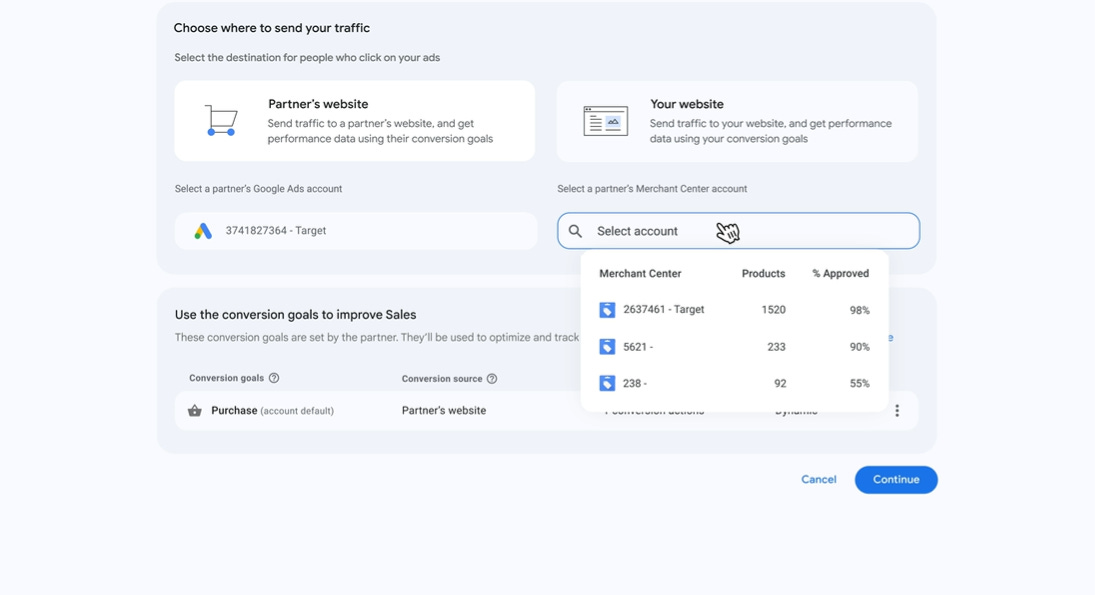
The Breakdown:
Demand Gen Plugs Into Retailer Catalogs - Commerce Media Suite now supports Demand Gen inventory in Google Ads, giving advertisers access to retailers’ first-party catalog and conversion data to reach high-intent shoppers across YouTube, Discover, and Gmail.
YouTube Ads Can Now Optimize for Views Not Just Clicks - View-through conversion optimization is now available for Demand Gen on YouTube. Advertisers can optimize toward conversions that happen after someone watches an ad rather than clicks, driving faster results in passive environments.
Inactive Subscribers Will Get Fewer Push Alerts - YouTube will stop sending push notifications to subscribers who have not engaged with a channel for around one month, even if they selected all notifications. Updates still appear in the inbox, just no device push alert.
The Bar for Losing Push Notifications Is High - Only subscribers with zero engagement across Shorts, posts, comments, and videos qualify as inactive. Even incidental Shorts views keep someone on the active list. Channels that have not posted for a month are excluded entirely.
Demand Gen already delivers 18% higher new customer conversions versus the paid media average, and retailer data, plus view-through optimization, are designed to push that further. Google Marketing Live will have more Demand Gen announcements. For creators, YouTube’s year-long test showed fewer subscribers turning off notifications entirely when alerts felt relevant.
Together with Omnisend
Email Marketing That Doesn’t Need Your Attention.

You’re spending more time managing your email tool than it’s spending making you money. That’s the wrong way around.
Omnisend handles email, SMS, and web push from one dashboard. AI builds your segments from plain language descriptions, pre-built workflows recover carts, reactivate lapsed customers, and welcome new subscribers without you touching a thing.
Here’s what that looks like at scale:
150,000+ ecommerce brands trust it, averaging $79 back for every $1 spent.
69% of their revenue runs on automations set once and never touched again.
17.3% higher CTRs across automated sends versus manual campaigns.
You’re up and running in 30 minutes. Fully migrated in 5 days. 24/7 support whenever you need it.
Your next best-performing campaign is already built. You just haven’t turned it on yet.
🗝️ Tweet of the Day

Advertise with Us
Wanna put out your message in front of over 50,000 best marketers and decision makers?
Checkout our Partner Kit here🤝
At Buyology, we care about our readers and want to provide the best possible experience. That's why we always look for ways to improve our content and connect with our audience. It would be amazing if you could hit us up with feedback about our content or absolutely anything, we are always up for a chat 🥰
Thanks for your support, We'll be back with more such content 🥳