
Howdy Readers 🥰
In this newsletter, you’ll find:
😲That Bad Ad Was Helping
🧩 Google Ads Adds Budget Controls and Creative Automation
🚀Tweet of the Day
If you’re new to Buyology then a hearty welcome to you, You’ve reached the right place alongside 50k+ amazing people, Before you forget, if someone forwarded this newsletter to you, don't forget to subscribe to our newsletter so you never miss out!
😲That Bad Ad Was Helping
Pausing an ad does more than stop spend. It removes a category of signals the system was using to decide who to show your other ads to next.
That’s the part most accounts misunderstand.
Meta does not optimize ads in isolation. It optimizes delivery paths using recent interaction data. Those interactions include clicks, views, watch time, profile visits, and downstream conversions, all weighted heavily toward what happened in the last few days.
When an ad is live, it feeds the system a steady stream of information about which users are engaging with your brand, even if they do not convert immediately. When you pause it, that stream disappears.
What follows is not random volatility. It is a predictable signal loss.
In your test, the higher-CPA ad was consistently reaching colder users who were not ready to convert. That made it look inefficient when judged alone. But those users later converted through other ads.
The system attributed the conversion to the final touch, even though the earlier ad was responsible for introducing and qualifying the user.
This is also why creator-sourced content often plays an outsized role here. Tools like Insense make it easier to keep those early-stage, context-rich ads live without slowing production, so the system continues learning even when direct response metrics lag. You can book a discovery call by Jan 30 to get a $200 bonus for your first campaign.
When that ad was paused, the downstream ads did not suddenly get worse at converting. They simply stopped being shown to the same type of people. Within days, the pool of eligible, warmed users shrank, and CPA rose across the account.
This timing matters. A four-day deterioration points to recent signal decay, not seasonality, fatigue, or auction shifts.
Meta continuously recalculates who is likely to respond to your ads based on recent evidence. Remove one class of evidence, and the model narrows its predictions. That narrowing often looks like efficiency at first, then turns into higher costs as demand dries up.
The mistake is treating every ad as if its only job is to hit the target CPA.
Some ads exist to convert. Others exist to generate interaction patterns that make future conversion possible. The system needs both to function well.
This does not mean you keep every bad ad running forever. It means you evaluate ads by role before you evaluate them by efficiency. If an ad consistently precedes conversions through other units, pausing it should be treated as a structural change, not a cleanup task.
The practical adjustment is simple. Track CPA dispersion across ads instead of forcing uniformity. Expect some ads to sit above the target while others sit below. When that spread collapses, learning usually does, too.
Meta does not remember your brand. But it does reweight delivery eligibility based on what it has seen recently. When you remove the inputs that teach it who to explore, the system stops exploring.
That’s not an algorithm flaw. It’s a predictable outcome of how optimization works.
Together with Shipfusion
Most brands think fulfillment is a backend function. Your customers experience it as the brand itself.

Shipfusion placed five real orders across leading clear protein brands and tracked everything after checkout, from tracking visibility and delivery speed options to unboxing and post-purchase communication.
What they found explains why repeat purchases quietly drop off. Here’s what stood out immediately:
0 brands used exterior or interior branding, so every box arrived forgettable
Only 40% offered more than one delivery speed, limiting customer control
Most post-purchase emails stopped at confirmations instead of building trust
Want to know how your brand stacks up?
If you ship products to customers, this report gives you a clear, benchmarked look at what great post-purchase checkout experiences actually include and where brands are leaving revenue on the table.
Download the DTC Delivery Files and audit your post-checkout experience today.
🧩 Google Ads Adds Budget Controls and Creative Automation
Google is rolling out changes that affect how you pace spend and how much control you keep over ad creative. One update makes fixed-time campaigns easier to manage. Another quietly expands Google’s ability to choose imagery for location ads, which can catch brands off guard.
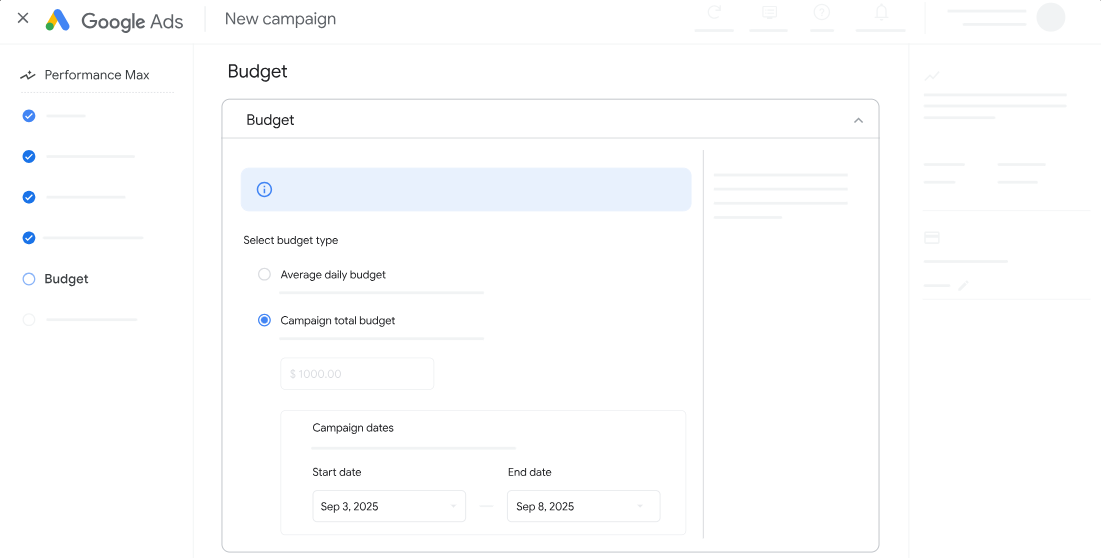
The Breakdown:
1. Total Campaign Budgets for Fixed Runs - Google now supports campaign total budgets for Search, Performance Max, and Shopping. You set one fixed amount for the full campaign duration, and Google paces spend to hit the end date.
Total budgets cannot be changed once set, unlike daily budgets. If spend is too aggressive early, you may have less room later when performance improves. This works best for short tests and planned activations.
3. Google Can Add Location Images You Did Not Upload - A new “Google Owned Location Data” setting can pull imagery from Google’s library into location-based ads. This means your ads may show visuals you never approved.
This setting is low-visibility and can create inconsistency for franchises, regulated brands, or strict design systems. If creative approval matters, it is worth auditing now before unapproved imagery appears.
Alongside these changes, Google is forcing a move from Content API to the new Merchant API, and missed migrations can stop Shopping and Performance Max delivery. Beta users must switch by Feb. 28th, and Content API users by Aug. 18th. Google updates now hit budgets, creative, and infrastructure, so regular audits matter.
🗝️ Tweet of the Day

Advertise with Us
Wanna put out your message in front of over 50,000 best marketers and decision makers?
Checkout our Partner Kit here🤝
At Buyology, we care about our readers and want to provide the best possible experience. That's why we always look for ways to improve our content and connect with our audience. It would be amazing if you could hit us up with feedback about our content or absolutely anything, we are always up for a chat 🥰
Thanks for your support, We'll be back with more such content 🥳