
Howdy Readers 🥰
In this newsletter, you’ll find:
🥲 You Briefed New Creative. Wrong Call.
📊 Google and Microsoft Both Dropped Useful Ad Updates This Week
👨💻 Quick Hits
If you’re new to Buyology then a hearty welcome to you, You’ve reached the right place alongside 50k+ amazing people, Before you forget, if someone forwarded this newsletter to you, don't forget to subscribe to our newsletter so you never miss out!
🥲 You Briefed New Creative. Wrong Call.
New brief. Three weeks. Nothing moves.
Not because the creative was weak. Because you fixed a pool problem with a creative solution, and the dashboard never told you the difference.
Here’s what the data is actually telling you.
First-time impressions carry a signal most teams miss
When saturation hits, the instinct is audience expansion. Wrong direction.
Meta carries your historical low-engagement signal forward into every new segment you open. The algorithm already knows this audience stopped converting and discounts your new spend accordingly.
The correct move is a full pause for 7 to 10 days. That window aligns with Meta’s internal look-back for audience quality scoring. When you re-enter, the system requalifies the segment in a fresh learning context, without the weight of the previous signal dragging it down. Expansion pushes the budget into a discounted system. Pausing resets the discount entirely.
Each lever has a different decay signature
Teams treat fatigue as one problem. It’s three, each with a distinct data pattern that surfaces before performance fully collapses.
Hook decay appears in a 3-second view rate and a thumb-stop before CTR moves. Visual decay shows as CTR holding while CVR drops. The ad earned the click but set the wrong expectation about outcome difficulty. CTA decay shows as an add-to-cart holding while the purchase rate falls. The prompt stopped creating commitment at the final step.
Pounce identifies which specific element is showing early decay, so the brief fixes the broken lever before the collapse hits ROAS. You can get started for free with Pounce today!
The wrong fix produces a 48-hour trap
When saturation and fatigue coexist, rotating creative into a saturated retargeting segment triggers a learning phase reset. The algorithm re-explores the audience. Performance looks like it’s recovering.
Teams read that as creative vindication. They brief more variations. Then it collapses harder because the pool never got fixed.
The 48-hour lift is the trap. Segment your impression diagnostic by audience type before acting on anything. Blended data makes both problems look like one creative issue and the real cause disappears.
Every fix you’re considering is downstream of one diagnostic. Pull impression ratio by segment, identify the decay signature, then write the brief.
Together with Pounce
Your performance agency. Rebuilt as software.

Pounce runs the performance marketing function end-to-end. Creative analysis. Brief generation. Competitor intel. Performance optimization. All delivered by AI agents that work the way a strong performance team works, not the way a dashboard works.
The intelligence inside Pounce already powers enterprise platforms like Supercell, Wildlife Studios, DeNA, Playtika, and Scopely.
On the April 2026 Mobile Gaming Video Ads Understanding Benchmark, Pounce scored 98.5%. The best frontier model scored 76.9%.
Generic AI gets it wrong 1 in 4 times. Pounce gets it wrong 1 in 50. That gap is what makes it trustworthy enough to run without you watching it.
You’re paying agency markup for work that’s already being done faster, cheaper, and more accurately by software.
Get started for free with Pounce today!
📊 Google and Microsoft Both Dropped Useful Ad Updates This Week
Google is pushing deeper into AI-driven bidding and budgeting automation while Microsoft gave advertisers more flexibility to measure campaigns on their own terms, two updates that reduce manual work in different ways.
The Breakdown:
Google’s Bidding Gets More Context - Journey-aware Bidding lets advertisers feed the full customer journey into optimization, including non-biddable conversions. Smart Bidding Exploration is expanding to Performance Max and Shopping, already delivering a 27% increase in unique converting users.
Budgets That Follow Demand - Google’s demand-led budget pacing adjusts spend in real time, increasing on high-opportunity days and pulling back on slower ones. Advertisers using total budgets have already seen a 66% reduction in manual budget adjustments.
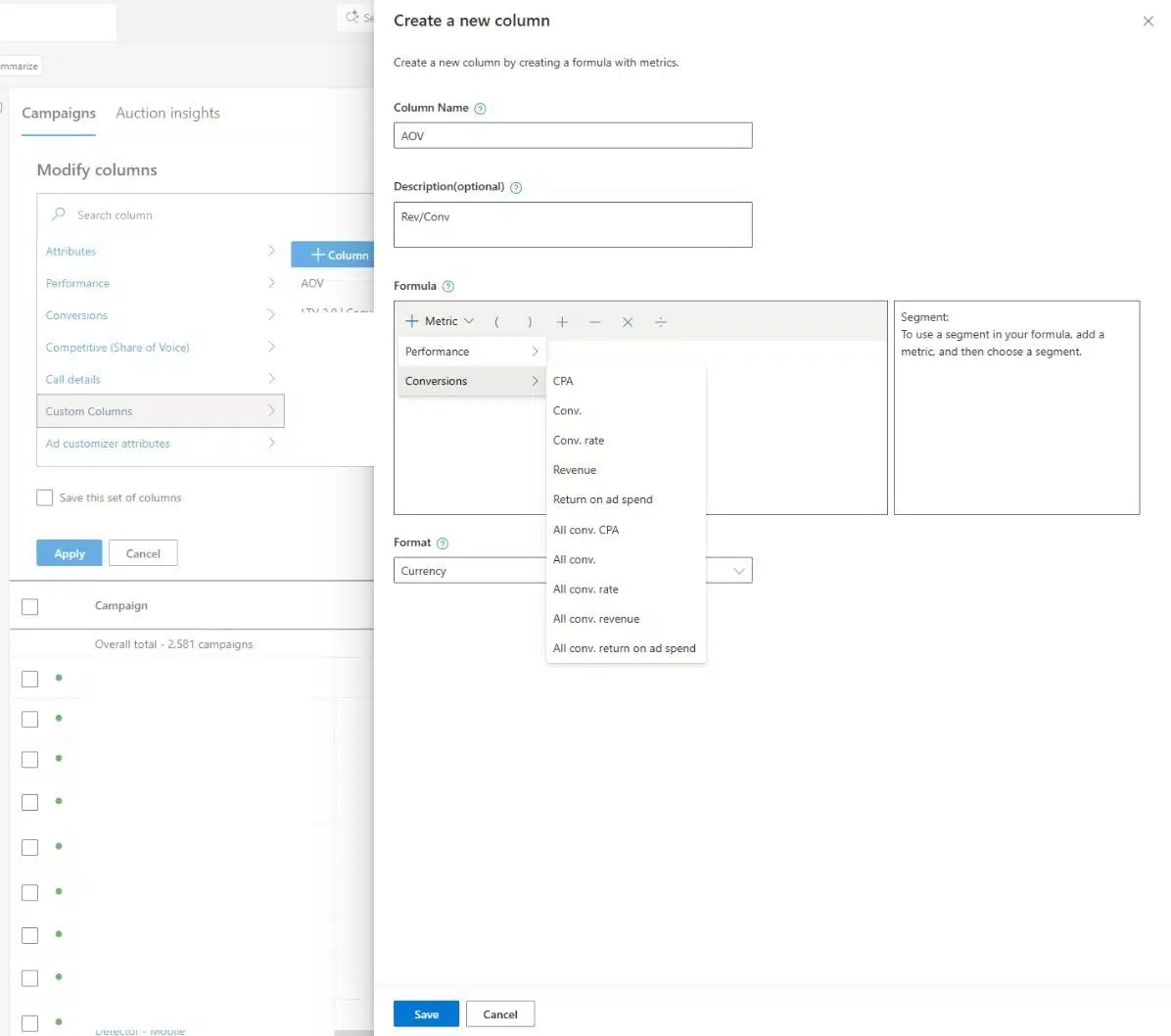
Microsoft Opens Up Custom Reporting - Microsoft Advertising expanded custom columns to support all conversion metrics. Advertisers can now build custom metrics using blended CPA, cost per qualified lead, and conversion rate based on their own primary goals.
Revenue and ROAS Get More Accurate - Revenue and ROAS calculations now reflect values set at the conversion goal level rather than platform defaults, giving advertisers more accurate performance insights tied directly to their own business outcomes.
Google is asking advertisers to trust the system more and intervene less, a comfortable trade for some and a leap of faith for others. Microsoft’s update is quieter but genuinely useful for anyone managing complex funnels or multiple conversion types.
🗝️ Tweet of the Day

Advertise with Us
Wanna put out your message in front of over 50,000 best marketers and decision makers?
Checkout our Partner Kit here🤝
At Buyology, we care about our readers and want to provide the best possible experience. That's why we always look for ways to improve our content and connect with our audience. It would be amazing if you could hit us up with feedback about our content or absolutely anything, we are always up for a chat 🥰
Thanks for your support, We'll be back with more such content 🥳