
Howdy Readers 🥰
In this newsletter, you’ll find:
🧐The Churn Autopsy Library: The Retention Weapon No One Wants to Build
🏆 Platforms Roll Out New Tools for Discovery, Ads, and Community Growth
🚀Quick Hits
If you’re new to Buyology then a hearty welcome to you, You’ve reached the right place alongside 50k+ amazing people, Before you forget, if someone forwarded this newsletter to you, don't forget to subscribe to our newsletter so you never miss out!
Together with Section
TODAY: What leaders need to know about AI in 2026 (Free event)

After a year of AI hype, doom, and more hype, get an AI CEO’s no-BS take on what leaders need to know to thrive in the next year of AI.
Today, December 9, join Greg Shove, Section CEO, for an inside conversation about AI strategy (one typically reserved for Section enterprise clients).
He’ll be sharing the trends he’s already seeing in organizations, and what makes or breaks successful AI investments within a company.
Think of this as a truth serum for your AI strategy. Don’t miss this one-time only event.
🧐Retention is a weekly OS
Retention does not collapse in dashboards. It collapses in a private second when a customer thinks, This feels off, and quietly exits. Agencies avoid that second because it is messy, unglamorous, and impossible to templatize across clients.
A serious operator does not brainstorm retention. They harvest it from exits and turn it into prevention.
What it is, in one sentence
A Churn Autopsy Library is a living catalog of 10 to 15 repeatable churn failure modes, each expressed as a single decision sentence describing the moment belief broke.
Not the complaint. The switch.
Build it fast, without ceremony
Pull the last 200 exits from three sources.
Refund notes
Subscription cancellations
One and two-star reviews
Do not clean the data. Do not argue edge cases. Tag every exit into a human failure mode, not a department bucket.
The 12 failure modes that show up everywhere
Each line is a decision sentence, the part nobody wants to write.
Delivery Anxiety: Tracking went silent, and the brand felt gone after taking payment.
Expectation Snap: The first touch did not match the story that sold it.
First Use Confusion: They opened it, hesitated, and put it away because it felt like work.
Outcome Ambiguity: After a week, they could not tell if it helped, so the belief expired.
Hidden Friction: The routine required extra steps they never budgeted for.
Household Veto: Someone else in the home judged it, and repeated died instantly.
Value Shame: The price felt fine at checkout, then irresponsible later.
Trust Withdrawal: A tiny mismatch made the brand feel less legitimate.
Choice Overload: They tried to reorder, got stuck choosing, postponed, forgot.
Reorder Window Miss: They ran out once, and switching became easy.
Support Betrayal: The issue was survivable, but the response ended the relationship.
Identity Drift: It fit who they were last month, not who they are now.
Turn sentences into prevention assets
A library without deployment is just insight. Convert each failure mode into one prevention asset placed before the switch.
Delivery Anxiety: delivery certainty card at checkout, plus proactive updates post purchase.
First Use Confusion: 30-second start path on the confirmation page plus a QR on packaging.
Outcome Ambiguity: proof ladder with day 1, day 3, day 7 proxy wins.
Prioritize what to fix first
Score every failure mode with a simple triangle.
Frequency in the 200 exits
Revenue impact of the affected cohort
Preventability within 7 days
Pick the top two and ship. No committees.
The weekly cadence that becomes a moat
Every Monday for 20 minutes.
Add 20 new exits
Re-tag if language shifts
Rewrite weak decision sentences
Assign one prevention fix to ship that week
In 30 days, retention stops being messaging and becomes forecasting. Tickets become a decision map, and the business learns to interrupt the decision before it forms.
🏆 Platforms Roll Out New Tools for Discovery, Ads, and Community Growth
LinkedIn and Instagram are shipping new tools aimed at boosting visibility and creator growth. LinkedIn is leaning heavily into automation and AI-driven ad improvement, while Instagram is experimenting with exclusivity as a lever for follower expansion.
The Breakdown:
1. LinkedIn Reserved Ads - LinkedIn introduced Reserved Ads, guaranteeing first-feed placement for video, image, or text campaigns to maximize exposure. It mirrors first-view formats on other platforms and gives brands premium reach during key periods.
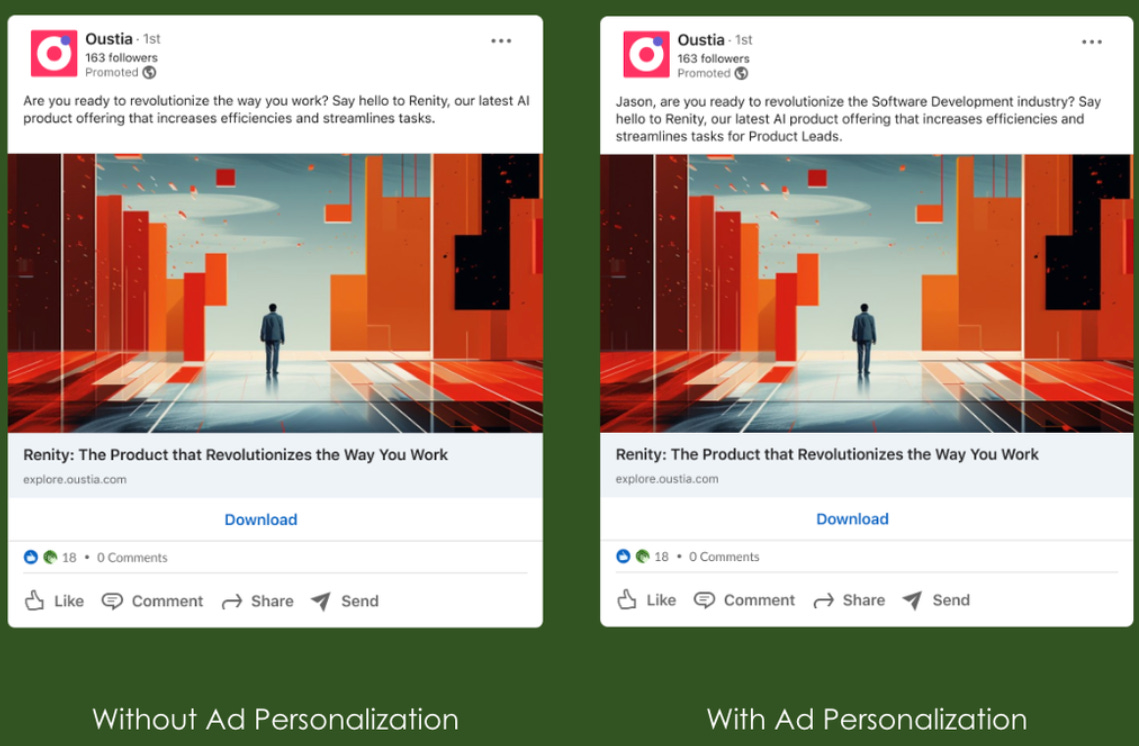
2. AI Creative Expansion - Advertisers can now auto-personalize copy using member details and generate AI-powered ad variants that stay within brand voice. LinkedIn also previewed flexible ad creation that mixes multiple visuals and text options to optimize performance automatically.
3. Instagram Early Access Reels - Instagram is testing follower-only early access Reels that unlock after a timer, prompting non-followers to hit “follow” to view, building exclusivity, strengthening creator communities, and boosting algorithmic reach through early engagement.
LinkedIn is becoming increasingly automated, helping brands scale campaigns with less manual creative work. Instagram’s push toward exclusivity shows how follower incentives are evolving beyond simple content posting. Together, the tools signal a shift toward personalization, AI optimization, and community-driven growth across platforms.
🗝️ Tweet of the Day

Advertise with Us
Wanna put out your message in front of over 50,000 best marketers and decision makers?
Checkout our Partner Kit here🤝
At Buyology, we care about our readers and want to provide the best possible experience. That's why we always look for ways to improve our content and connect with our audience. It would be amazing if you could hit us up with feedback about our content or absolutely anything, we are always up for a chat 🥰
Thanks for your support, We'll be back with more such content 🥳