
Howdy Readers 🥰
In this newsletter, you’ll find:
🔁 Three questions about your Q4 corporate gifting pipeline, asked two ways
📊 Meta introduces creative performance breakdowns and new ad optimization guidelines
👨💻 Tweet of the day
If you’re new to Buyology then a hearty welcome to you, You’ve reached the right place alongside 50k+ amazing people, Before you forget, if someone forwarded this newsletter to you, don't forget to subscribe to our newsletter so you never miss out!
🔁 Three questions about your Q4 corporate gifting pipeline, asked two ways
Corporate gifting is the B2B side of an e-commerce brand’s holiday season: companies ordering 200 gift boxes for clients or staff. These deals move through quotes, approvals, and delivery dates, usually tracked in a CRM.
Here’s what happens when you ask an AI assistant about them two ways.
Question 1: “Which corporate gifting quotes are at risk?”
Version A, pasted context: You paste a deal export. The assistant ranks quotes by size and flags the oldest. It can’t tell that the largest one had a call yesterday, because the call note wasn’t in the export.
Version B, connected to the CRM: The assistant reads deals, notes and activity together. It flags quotes with no activity in 10 days and a delivery date before December 15, and skips the one with yesterday’s call.
That gap is the subject of HubSpot’s live webinar on November 5. Its product team will show how HubSpot connects with Claude, ChatGPT and other assistants so answers come from your actual business data, and how you can ask, act and update the CRM in one conversation.
You’ll also hear about HubSpot’s headless product strategy and the governance controls built in, followed by an AMA. Can’t make it live? Register anyway for the recordings within 24 hours. You can reserve your free spot here.
Question 2: “Draft follow-ups for the stalled ones.”
Version A: Generic follow-ups, because the assistant doesn’t know what each buyer asked for.
Version B: Each draft references the buyer’s last question, such as custom card printing or a split shipment to three offices, pulled from the notes.
Question 3: “Update the deal stage for the ones that replied.”
Version A: You copy the answer back into the CRM by hand, deal by deal.
Version B: The assistant updates the stages in the CRM, within whatever permissions you’ve allowed.
What the comparison shows
The model was the same both times. What changed was the context it could see and the actions it could take.
Set up your own test
Pick three questions your team asks every week about open deals.
Ask each one with a pasted export and note the answer.
Ask again with the assistant connected to your CRM.
Compare which answers you could act on without checking.
For gifting deals this season
Add two fields if you don’t have them: required delivery date and number of shipping addresses. In my judgment, those two fields decide which Q4 gifting deals succeed, and an assistant can only flag risk on fields that exist.
Write down the three deal questions your team asked most last week. They’re your test set.
Together with Insense
Running creators from spreadsheets and DMs? Get 40+ hours back.

Most creator programs run on one person: a spreadsheet, a full inbox and dozens of DMs that never get a reply.
Insense takes the manual work out:
Post one brief and vetted creators apply to you, usually within 48 hours
Automated agreements, approvals, and payments in one place
Updates from your campaigns in Slack, Claude, or ChatGPT; check all collab statuses in one message and review content deliverables directly in your chat or Slack channel
Save 40+ hours on creator ops and spend that time on strategy and testing.
Book a free strategy call by October 30th and get $200 toward your first campaign.
📊 Meta introduces creative performance breakdowns and new ad optimization guidelines
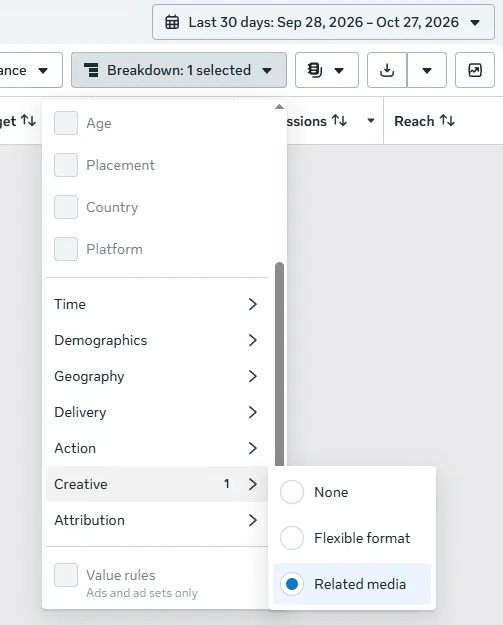
Meta has introduced individual creative performance reporting in Ads Manager, alongside new campaign optimization recommendations encouraging advertisers to establish clear goals and allow sufficient data collection before making changes.
The Breakdown:
Meta Adds Individual Creative Performance Insights - Advertisers can now view performance breakdowns for individual images, videos, and text variations in Ads Manager, helping them identify which creative elements drive campaign results.
Creative Reporting Comes With Limitations - The new breakdowns exclude certain multi-post formats, including collection and carousel displays, and do not support some custom conversion actions, such as Donate and Subscribe.
Meta Recommends 50 Conversions Per Week - Meta advises advertisers to generate approximately 50 conversions per ad set weekly to support optimization. Its analysis found that ad sets below this threshold had roughly 28% higher costs per purchase.
Meta Warns Against Frequent Campaign Changes - Advertisers are encouraged to define clear optimization events, budgets, bid strategies, and attribution settings, then allow campaigns sufficient learning time before evaluating results through A/B tests or Conversion Lift studies.
Meta’s updates give advertisers more visibility into creative performance while reinforcing the importance of sufficient conversion data for automated optimization. Marketers can use insights on individual creatives to refine future campaigns, but frequent adjustments and fragmented ad sets can increase costs and make performance harder to evaluate reliably.
🗝️ Tweet of the Day

Advertise with Us
Wanna put out your message in front of over 50,000 best marketers and decision makers?
Checkout our Partner Kit here🤝
At Buyology, we care about our readers and want to provide the best possible experience. That's why we always look for ways to improve our content and connect with our audience. It would be amazing if you could hit us up with feedback about our content or absolutely anything, we are always up for a chat 🥰
Thanks for your support, We'll be back with more such content 🥳