
Howdy Readers 🥰
If you’re new to Buyology, then a hearty welcome to you. You’ve reached the right place alongside 50k+ amazing people. Before you forget, if someone forwarded this newsletter to you, don't forget to subscribe to our newsletter so you never miss out!
Together with AirOps
You’re Still Fighting for Rank 1. That Fight Ended.

Buyers ask ChatGPT before they ever hit your site. If it can’t find you there, you don’t exist to them.
This isn’t a future-proofing project. It’s one live session that hands you a 30-day plan to run the next month, and Josh Grant (founder of StackedGTM, former VP of Growth at Webflow) walks through exactly how on August 5 at 2pm ET.
Take home the exact changes that make your comparison pages the ones AI quotes
Get a checklist for making your pricing page the one AI trusts enough to cite word for word
Leave with a measurement framework that finally shows leadership what AI search is worth
Run your own pages through Josh’s AEO framework live, and leave knowing precisely why AI is or isn’t citing you.
Can’t make it live? Register anyway and get the recording in your inbox within 24 hours.
🪄 The Symptom, the Diagnosis, and Three Fixes for a Subscription Box’s Quiet Churn Problem
The symptom: a monthly subscription box brand’s churn rate has been creeping up for two quarters, and every exit survey response says something vague, “didn’t need it anymore,” Nothing actionable, nothing the retention team can build a campaign around.
The diagnosis: the billing reminder email links out to a subscription management portal, a real piece of friction between the reminder and any action smaller than canceling outright.
A customer who wanted to skip one box or swap a flavor faces more clicks to do that than to just hit cancel, which sits one click away inside the same email.
The portal isn’t causing churn through bad service. It’s causing churn through asymmetric friction, making the wrong outcome the easy one.
Fix 1: Move skip, pause, and swap into the email itself. At minimum, make those links as prominent and immediate as the cancel link, landing on a pre-filled single-step confirmation rather than a full portal login. One subscription brand that made this change alone cut cancellations by roughly half.
Fix 2: Capture the real reason at the moment of pause, not after the fact. A one-tap reason selector, too much product, financial, trying something else, attached to the pause confirmation feeds a genuinely targeted win-back sequence.
“Too much product” gets offered a smaller size or lower frequency before the standard win-back timer even starts. “Financial” gets a different, lighter-touch offer entirely. One vague exit survey response gets replaced with a specific, actionable signal captured at the exact moment it’s freshest.
Fix 3: Build a predictive pause offer that fires before the cancel click, not after. Customers showing the early behavioral pattern that historically precedes a skip, a drop in app engagement, or a change in browsing pattern receive a proactive frequency or size-down offer ahead of the decision, rather than a reactive win-back after they’ve already left.
Auditing the current flow for click asymmetry and building reason-capture into the pause flow are real work most retention teams know they should do and never quite get to.
Say “build it” with Omnisend connected to ChatGPT or Claude, and Omnisend can create the segment, restructure the email, and prepare a draft for your review without leaving the conversation. Strategy three’s early-warning model is a genuinely harder build, worth scoping with an analyst before treating it as something any single tool can deliver from one prompt. You can get started with ready-made prompts.
If cancel wins the click race and nothing captures why someone left, the flow is the churn driver, not the product, and no amount of better retention copy fixes friction sitting one click upstream of the message itself.
📊 Meta Is Strengthening Every Part Of Its Ad Ecosystem
Meta introduced a series of updates this week that reinforce its position across consumer reach, AI advertising, and campaign measurement.
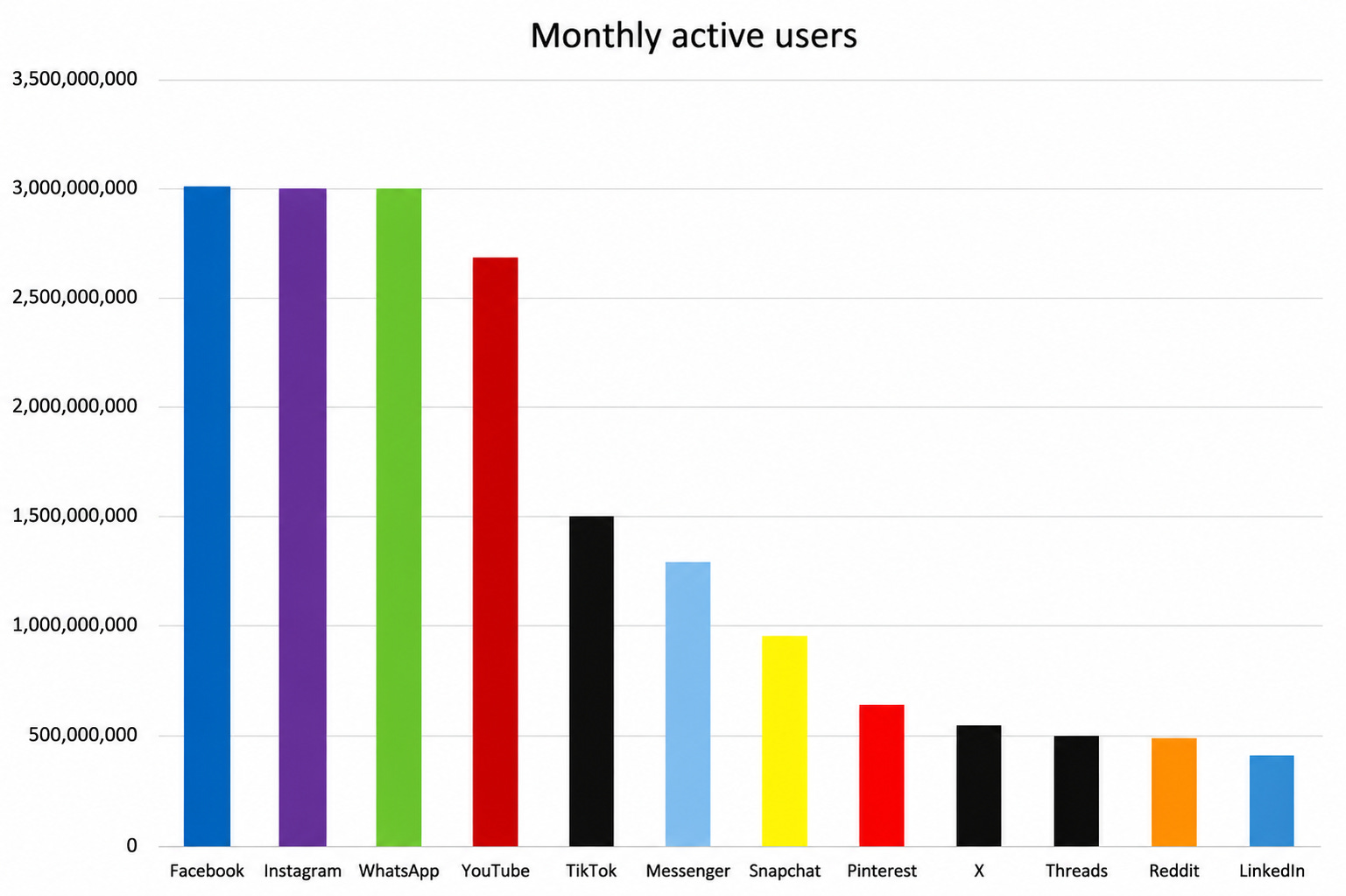
Its audience remains unmatched: Facebook, Instagram, and WhatsApp now each have more than 3 billion monthly active users, while Threads has grown to 500 million users, giving advertisers access to the largest social ecosystem despite intensifying competition.
AI is taking on more of the creative work: Meta’s upgraded Advantage+ Creative can now rewrite headlines directly on existing ad images without changing the design, while improved AI-generated copy and brand controls help advertisers create and test more creative variations with less manual work.
Offline sales are becoming measurable: Through a new Lightspeed integration, brick-and-mortar retailers can automatically send point-of-sale transactions into Meta’s Conversions API, allowing campaigns to optimize using real in-store purchases instead of relying only on website conversions.
Why It Matters
Meta is making it easier to reach customers, generate creative assets, and measure real business outcomes from a single platform. Together, these updates strengthen its position as a full-funnel advertising platform for both online and physical retailers.
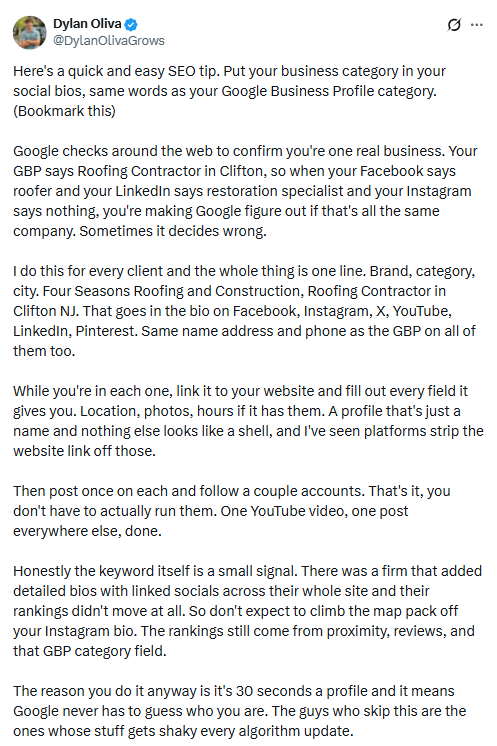
🗝️ Tweet of the Day
Advertise with Us
Wanna put out your message in front of over 50,000 best marketers and decision makers?
Checkout our Partner Kit here🤝
At Buyology, we care about our readers and want to provide the best possible experience. That's why we always look for ways to improve our content and connect with our audience. It would be amazing if you could hit us up with feedback about our content or absolutely anything, we are always up for a chat 🥰
Thanks for your support. We'll be back with more such content 🥳