
Howdy Readers 🥰
In this newsletter, you’ll find:
⚔️ Link in Bio vs Keyword DM: Which captures more Instagram subscribers?
📊 Google Ads updates: Smart Bidding, AI Max, and conversion tracking
👨💻 Tweet of the day
If you’re new to Buyology then a hearty welcome to you, You’ve reached the right place alongside 50k+ amazing people, Before you forget, if someone forwarded this newsletter to you, don't forget to subscribe to our newsletter so you never miss out!
⚔️ Link in Bio vs Keyword DM: Which captures more Instagram subscribers?
Instagram interest is turning into real revenue. Adobe found social media drove 3.6% of Cyber Monday online sales last year, up 56.5%, and 57.5% of that day’s online sales happened on mobile devices. Two routes turn that attention into an address you own. Here’s how they compare.
Round 1: Steps to subscribe
Link in bio: leave the post, open your profile, tap the link, wait for the page, find the form, type the email. Six steps.
Keyword DM: type a word, open the reply, type the email. Three steps, all inside Instagram.
Winner: Keyword DM.
Round 2: Conversion
Every extra tap sheds people, and on a phone, the form page also has to load before anyone can type. Only a slice of interested people make it from the post to your profile, then to the link, then through the form.
A keyword DM asks for the email from people who already raised a hand. No large independent benchmark compares the two yet, so measure your own. Track two numbers for two weeks: bio-link visits to signups, and keyword sends to valid emails.
Winner: Keyword DM, pending your data.
Round 3: Coverage
The bio link catches profile visitors who never saw a specific post, on days you post nothing. A keyword only works on posts that carry the word. Pinning one keyword post to your profile closes part of that gap.
Winner: Link in bio.
Round 4: Effort
A bio form needs initial setup and checks when the offer changes. Keyword capture needs clear instructions wherever you promote it, plus either manual replies or an automated flow. Compare the setup and ongoing maintenance each route requires.
Winner: Link in bio unless you automate.
The verdict
Run both, each with a job. Use a keyword on every Black Friday post that carries an offer and hand the replies to Omnisend’s Instagram integration, which answers each keyword, asks for the email and tags the subscriber by source, so Round 4 stops being a reason to skip it.
Let followers subscribe without leaving their DMs. Keep the bio link as the always-on net, and fix it this week:
Point it straight at a one-field form, with no menu of links first.
Put the offer in the bio text: “15% off before Black Friday 👇”
Tag each source separately, so by Cyber Monday you know which one bought.
Pick your keyword today and put it in your next caption.
Together with AirOps
Could Your Reporting Get the Wrong Channel Cut?

AI search could influence a buyer long before a sale shows up in your reports. If that influence goes uncredited, you could cut spending on a channel that’s helping customers choose you.
On November 20 at 2 PM ET, get inside the measurement work with Google Meridian creator Hitesh Wadhwani, Paramark CEO Pranav Piyush, and AirOps’ COO Matt Hammel.
They’ll break down the blind spots that could be steering your spend:
Understand where AI search attribution falls short before treating low tracked results as a reason to cut.
Learn the three requirements for credible measurement so you can spot what your provider’s reporting is missing.
Explore how AI search fits into existing marketing mix models alongside the channels competing for your budget.
Take the gaps in your reporting back to your team before they become cuts in your budget.
Can’t attend the session live? Register anyway, and you’ll get the recordings within 24 hours.
📊 Google Ads updates: Smart Bidding, AI Max, and conversion tracking
Google has introduced several updates to Google Ads, including changes to Smart Bidding, new invalid traffic reports, and more visibility into AI-powered campaigns.
The Breakdown:
Google now limits the Smart Bidding “Learning” label to seven days. Budget, targeting, creative, and bid changes will no longer trigger the label, although performance may still fluctuate.
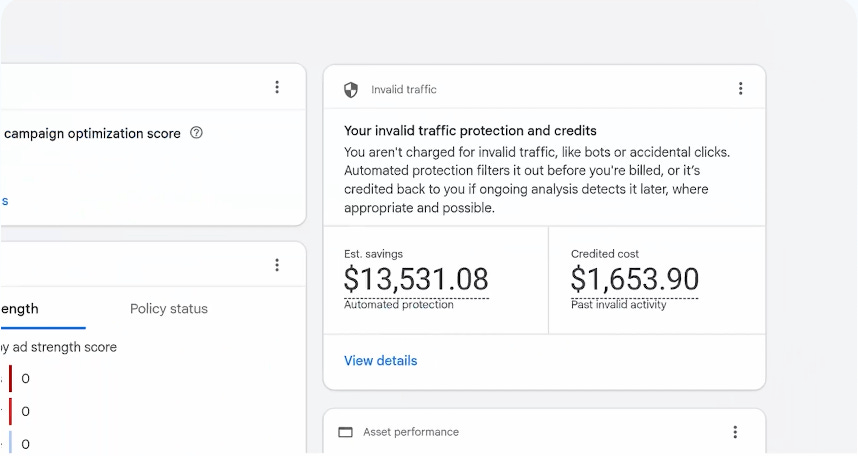
A new Invalid Traffic Overview shows how much advertisers save when Google filters out bot and accidental clicks, along with post-billing credits and campaign-level breakdowns.
AI Max is now enabled by default for new Search campaigns in Google Ads Editor 2.14, including automated ad text and landing page selection. Advertisers can review these settings before publishing.
Google has introduced new tracking tools, including a parameter to identify AI Max expansion clicks and Data Strength Uplift, which estimates how enhanced conversion tracking improves reported conversion measurement.
Google’s latest updates give advertisers more visibility into automated bidding, invalid traffic, and AI-driven campaigns. While these changes simplify campaign management, advertisers still need to monitor performance, review automation settings, and verify tracking accuracy.
🗝️ Tweet of the Day

💃Events
🔥 What the Creator of Google Meridian Looks at Before Moving Budget
November 20 | 2 PM ET | Virtual Event
Hitesh Wadhwani, creator of Google Meridian, breaks down how to judge AI search when last-click attribution misses the influence. Learn which exposure signals matter, how recommendations should be valued, and what evidence your team should demand before the next budget review.
Can’t attend the session live? Register anyway, and you’ll get the recordings in 24 hours.
Advertise with Us
Wanna put out your message in front of over 50,000 best marketers and decision makers?
Checkout our Partner Kit here🤝
At Buyology, we care about our readers and want to provide the best possible experience. That's why we always look for ways to improve our content and connect with our audience. It would be amazing if you could hit us up with feedback about our content or absolutely anything, we are always up for a chat 🥰
Thanks for your support, We'll be back with more such content 🥳